.jpg)
Darpan ID: MH/2017/0117849
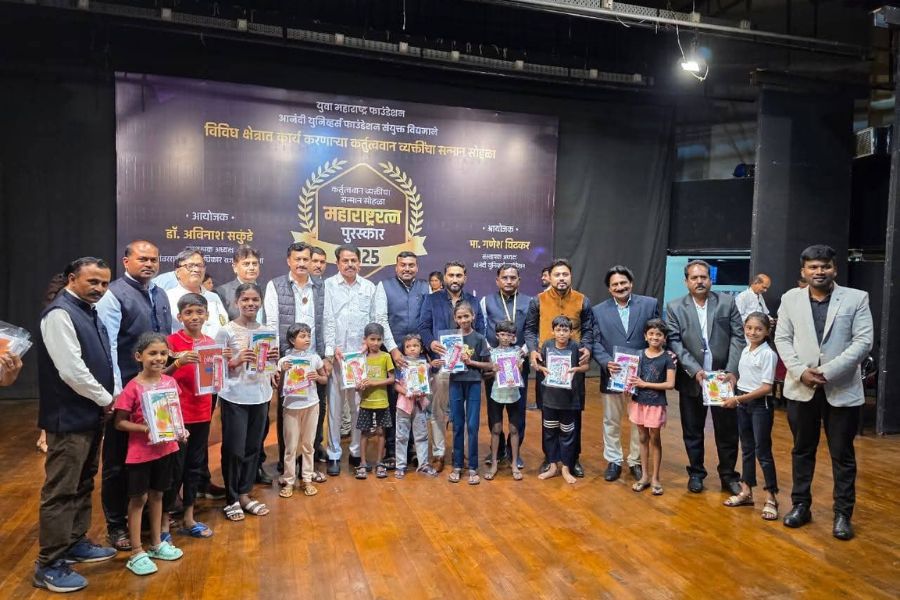
Education is widely recognized as the most powerful instrument for overcoming poverty and unemployment. It serves as the backbone of social and economic progress and must therefore be given the highest priority in every nation. A country that invests in education builds a strong foundation for sustainable development, economic growth, and social stability. The higher the educational standards of a nation, the greater its potential for long-term prosperity and global competitiveness. One of the most significant roles of education is its ability to reduce poverty. When individuals receive quality education, they acquire the knowledge and skills necessary to secure stable employment or create entrepreneurial opportunities. Skilled workers are more productive and adaptable to changing market demands, which increases their earning capacity. As employment rates rise, household incomes improve, and communities gradually move out of poverty. Education also reduces dependence on social welfare systems by empowering individuals to become financially independent. In addition to reducing poverty, education plays a crucial role in tackling unemployment. In today’s competitive and technology-driven world, industries require skilled and knowledgeable workers. Education equips individuals with technical expertise, problem-solving abilities, and critical thinking skills that are essential in the modern workforce. Countries with well-educated populations attract investments, foster innovation, and maintain stronger commercial environments. Businesses thrive when employees are competent and creative, leading to overall economic growth. Beyond economic benefits, education contributes significantly to personal development. It enables individuals to make informed and rational decisions by applying knowledge effectively in daily life. Educated individuals are more likely to understand their rights and responsibilities, participate actively in civic life, and promote social harmony. Education fosters confidence, communication skills, and ethical values, which are essential for leading a meaningful and fulfilling life. It also encourages tolerance and understanding among diverse communities, strengthening national unity. Furthermore, education plays a vital role in national development. A country’s progress in areas such as healthcare, technology, infrastructure, and governance depends largely on the quality of its education system. Educated citizens are better equipped to innovate, conduct research, and contribute to advancements that improve living standards. Nations that prioritize education often experience faster economic growth, political stability, and improved global standing. In conclusion, education is not merely a means of acquiring knowledge; it is the foundation of both personal success and national progress. By reducing poverty and unemployment, strengthening the economy, and shaping responsible citizens, education transforms societies for the better. Therefore, governments and communities must prioritize accessible and quality education for all. Only through sustained investment in education can countries secure a prosperous and sustainable future.
Help today because tomorrow you may be the one who
needs more helping!
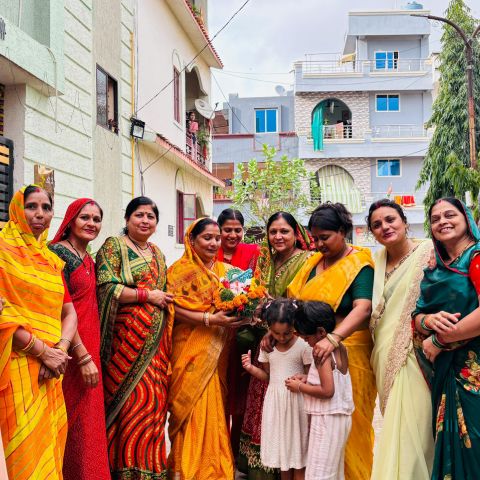

Empowering women through education, skills, and self-reliance programs. Creating confident, independent, and future-ready women.
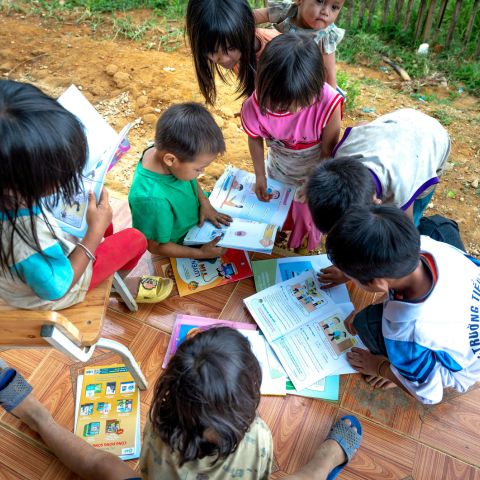
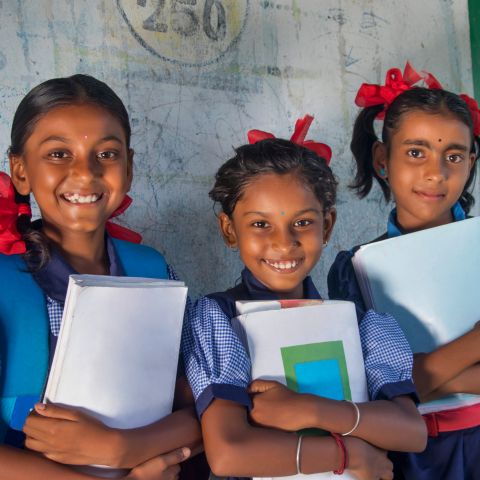
Ensuring education, nutrition, and safety for underprivileged children.
Supporting farmers with guidance and sustainable farming practices Strengthening rural livelihoods and farming communities.
Providing healthcare access through camps and awareness initiatives.